
You set the dial to cold, the fan comes on, and warm air pours out of the vents. When your car AC is not blowing cold air in the middle of a Bloomington summer, it is more than a comfort issue. It is your car’s air conditioning signaling that some part of the system needs attention.
The reassuring part is that the cause is often smaller than people expect, and not every fix is urgent. This guide explains what is actually happening, which symptoms deserve prompt attention, and which ones can safely wait until your next visit.
Your air conditioning does not make cold air from nothing. It removes heat from the cabin using a refrigerant that cycles through the system under pressure. That constant cycle is what cools the air before it reaches you.
Every part of that loop has to work for the process to succeed. When one link falls short, the vents stop delivering cool air. So when your car AC is not cooling, the real question is where the cycle broke down, because the answer shapes both the repair and the urgency.

Most cases trace back to a handful of causes, and they tend to appear in a fairly predictable order.
Low refrigerant is the leading culprit. Refrigerant runs in a sealed loop, so it should never simply run out. A low level almost always means there are refrigerant leaks somewhere in the system. Topping it off restores the cold for a while, but the cooling fades again until the leak itself is traced and repaired. That is why finding the leak matters far more than the refill.
The AC compressor is the next suspect. As the heart of the system, it pressurizes the refrigerant and keeps it moving. When it wears out or stops engaging, the whole cycle halts and the car ends up blowing hot air. A failing compressor often makes unusual noises or a distinct clunk when the AC turns on. Because it is a larger repair, an honest diagnosis first is worth the time.
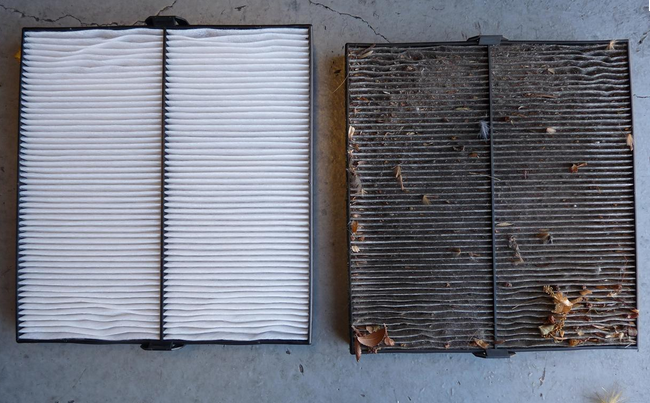
Airflow concerns are easier to overlook. Cabin air filters clogged with dust and debris end up restricting airflow, so the vents feel weak even when everything else is healthy. Further forward, a condenser caked with road grime, leaves, and bugs reflect in both poor heating and cooling.
Then there is the electrical side. A blown fuse, a failed relay, or a cooling fan that will not spin: these can shut cooling down entirely. An electrical problem like this usually answers the question of “why is my car AC not working” when the refrigerant tests fine. Since it can share a cause with other systems, it deserves a proper inspection rather than guesswork.
The specific symptom usually points toward the cause, and spotting the pattern gives your service advisor a real head start.
Strong airflow with warm air usually points to the refrigerant, the compressor, or the condenser. Cold air that arrives weakly points first to the cabin filter or the blower. And if the car AC stopped working with no airflow at all, the trail usually leads to something electrical. You do not have to diagnose it yourself, but noting which pattern fits saves everyone time.
[Image placement] Alt text: car AC recharge gauge and refrigerant
Store shelves are lined with car AC recharge cans that promise cold air in minutes, and they are tempting. Here is the honest version.
A recharge only helps when low refrigerant is the whole story. It does nothing about the leak that let the refrigerant escape in the first place.
Many kits also add sealant and dye that complicate a proper repair later, and overcharging the system can damage the compressor. If you understand those tradeoffs and still want to try one, that is your call. We would rather trace the leak and fix the cause, so the cold air actually lasts.
Not every AC concern is an emergency, and we will always tell you the difference plainly.
A weak vent from a dirty cabin filter can wait a short while. It affects comfort, not safety, and the fix is simple whenever you arrive. Slightly reduced cooling from a minor refrigerant loss can usually hold until a scheduled visit too.
A failing compressor is different and deserves prompt attention, because running it in that state often turns a moderate repair into an expensive one. The same logic applies to any electrical issue. When we inspect your car, we explain what we found, what needs attention now, and what can hold, and then you decide what gets done.
A well maintained car’s AC system can run reliably for well over a decade, but the parts wear on their own timelines. Cabin filters are routine replacements. Refrigerant should last for years unless there is a leak.
Compressors last a long time but eventually fail, especially on higher mileage vehicles. Knowing when to replace your car’s AC parts is less about the calendar and more about condition, which a thorough inspection makes clear before anything catches you off guard.
If your car AC is not blowing cold air and the cause is not obvious, a proper diagnosis saves you both money and guesswork. At Mason Automotive, our ASE certified technicians pressure test the system, trace any leak, and check the electrical side before recommending a single part. You get a clear explanation of the situation and its cost upfront.
We know a hot car is miserable, so we work to get you in quickly and back on the road without the runaround. Our car AC repair service covers everything from a refrigerant recharge to compressor and condenser work, and every one of our car air conditioning repairs is backed by our 2 year, 24,000 mile nationwide warranty.
Book online in about two minutes, and we will tell you exactly where your vehicle’s air conditioning stands, then let you decide what happens next.