If you have ever glanced at that little sticker in the corner of your windshield telling you to come back in 3,000 miles and wondered whether it is actually true, you are not alone.
It is one of the most common questions we hear at Mason Automotive: “How often should you change your oil?” For most modern vehicles, the honest answer is that the old 3,000-mile rule is outdated, and following it usually means you are changing your oil far more often than your engine needs.
Here is what has changed, what your engine actually requires, and how to know when it is genuinely time for an oil change.
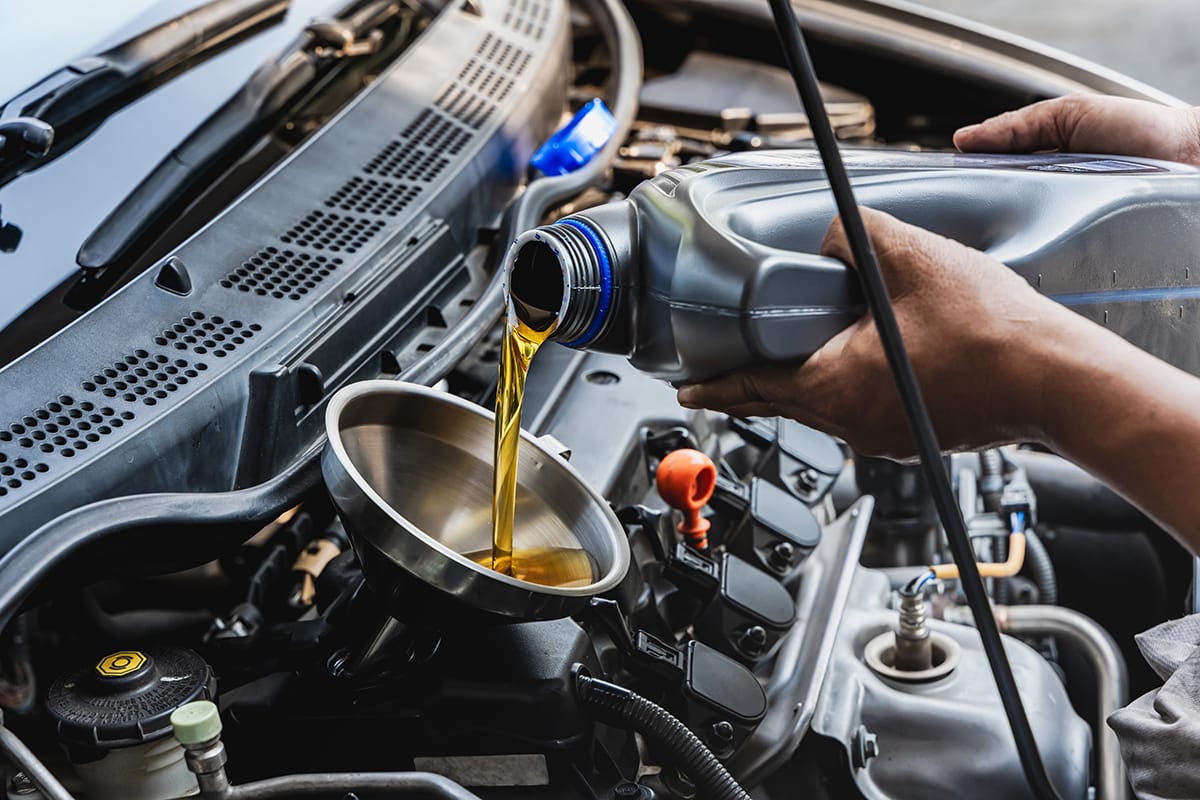
The 3,000-mile guideline was not made up out of thin air. Decades ago, it was reasonable advice.
Older engines ran hotter, tolerances were looser, and regular oil broke down faster than what we use today. On top of that, quick-lube shops had every reason to keep the number low, because more frequent visits meant more business.
The engines and oils on the road today are a different story. Manufacturing is more precise, and modern motor oil, especially synthetic, is engineered to protect your engine for much longer while it keeps the moving parts inside your motor clean and properly lubricated.
That old number stuck around long after the technology moved past it, which is why so many drivers still ask how often to change oil and assume the answer is 3,000 miles.
The right oil change interval depends on your vehicle, your driving habits, and the oil type your engine takes. The single best source of truth is your owner’s manual, which lists the manufacturer’s recommended maintenance schedule. That said, here are the general ranges most drivers can plan around.
If your vehicle uses conventional oil, a reasonable oil change frequency is every 5,000 to 7,500 miles. That’s already well beyond the old 3,000-mile habit. Conventional oil is a fine choice for many older engines and lower-mileage daily drivers.
Full synthetic oil lasts significantly longer. For many vehicles, the synthetic oil change interval falls between 7,500 and 10,000 miles, and some manufacturers push it further.
A synthetic blend sits in between the two, offering more protection than conventional at a lower point than full synthetic. So if you are wondering how often to change synthetic oil, the honest answer is that you can typically go longer between visits than you might expect, as long as you stay on top of your schedule.
The takeaway is that how often you should get an oil change is not one universal number. It’s a range set by your engine and your oil, not by a sticker.
The synthetic vs conventional oil question comes down to what your vehicle calls for and how you drive.
Synthetic oil flows better in cold Bloomington winters, holds up better under heat, and resists breaking down over time, which is why it can safely go longer between changes and helps maintain engine performance. Conventional oil costs less per change but needs to be swapped more often.
Many newer vehicles now require full synthetic, so switching to conventional is not always an option. If you are not sure which your engine takes, we are happy to check and explain the difference in plain terms, with no pressure to upgrade to something your car does not need.
Plenty of drivers in Bloomington, including a lot of students, are keeping older cars on the road. High mileage oil is formulated for engines with more than 75,000 miles on them. These oils include conditioners that help with older seals and can reduce oil burn-off, which is common in higher-mileage engines that have seen more wear and tear.
If your car has serious miles on it, staying consistent with oil changes matters even more. Clean oil is one of the most effective and reasonable ways to protect your engine and get more good years out of it.
Mileage is a good guideline, but your vehicle will often tell you when it needs attention. Here are the signs you need an oil change to watch for:
Driving conditions matter too. Short trips, stop-and-go traffic, towing, and extreme temperatures all demand more from your oil. If you are ever unsure about when to change your oil, or whether your vehicle needs an oil change at all, it is always fine to have it checked.
A quick look takes only a few minutes, and we would rather tell you it can wait than sell you something you do not need.

When you bring your vehicle to us for an oil change, we use the correct oil and oil filter for your specific engine, not a one-size-fits-all approach. We also take a quick look at the rest of your vehicle while it is with us, and if we spot something, we tell you what needs attention now and what can wait, then let you decide.
Most oil changes are quick, and we will have you back on the road without turning a routine visit into a long wait. Every service is logged as part of your vehicle’s history, backed by our 2-year, 24,000-mile nationwide warranty, and you get complimentary CarFax access so your records are always in one place.
If you want to plan ahead, we can also build your oil changes into your factory scheduled maintenance so you never have to guess. You can also read more about how we approach fluid services across your vehicle.
Staying on a sensible oil change schedule is one of the simplest ways to protect your engine and avoid larger repairs down the road. Skip the 3,000-mile myth, follow what your engine actually needs, and let an honest shop handle the rest.