
December 3, 2025
TABLE OF CONTENTS
OUR Auto Repair Shop NEAR YOU
Mason Automotive in Bloomington, IN, offers quality auto repair with a convenient location and exceptional service.
Vehicles rely on exact steering geometry to ensure safety, performance, and comfort. Wheel alignment is the process of adjusting those angles, camber, caster, and toe, so the tires meet the road evenly. When alignment drifts even slightly, it can lead to uneven wear, reduced fuel economy, and steering issues.
Despite its importance, many drivers only think about alignment when the car pulls or the steering wheel sits crooked. Jarred Mason, ASE-certified technician and shop owner, says that’s usually too late.
“If the steering wheel’s already off-center, your tires have probably been wearing unevenly for thousands of miles,” Jarred explains. “A simple alignment done early can save an entire set of tires.”
This guide explains why wheel alignment is essential, how the process works, and the most common signs of misalignment drivers overlook.
Older vehicles had simpler suspension systems and wider tolerances. Today’s cars feature multi-link designs, lightweight alloys, and electronic stability systems, all of which depend on precision alignment.
Advanced driver-assistance systems (ADAS) like lane-keep assist and traction control rely on accurate steering angle sensors. If alignment angles drift out of range, it can confuse these systems and affect braking and handling. That’s why many drivers searching for alignment near me or car alignment near me are actually addressing safety, not just comfort.
Jarred notes that newer vehicles have far less tolerance for error: “Modern cars are engineered to millimeters. Even a small bump or curb hit can throw the geometry off enough to cause tire wear or poor handling.”
In other words, wheel alignment has evolved from a simple steering adjustment into a critical part of maintaining a vehicle’s electronic and mechanical harmony.
To understand how tire alignment works, it helps to know what technicians measure and adjust during the service:
When all three angles are within factory specification, the tires track smoothly, the steering remains centered, and the suspension absorbs bumps evenly.
Jarred explains: “Alignment is like calibration for your entire suspension. If it’s off, the tires drag slightly sideways down the road. You might not feel it, but the rubber wears away faster, and fuel economy drops.”
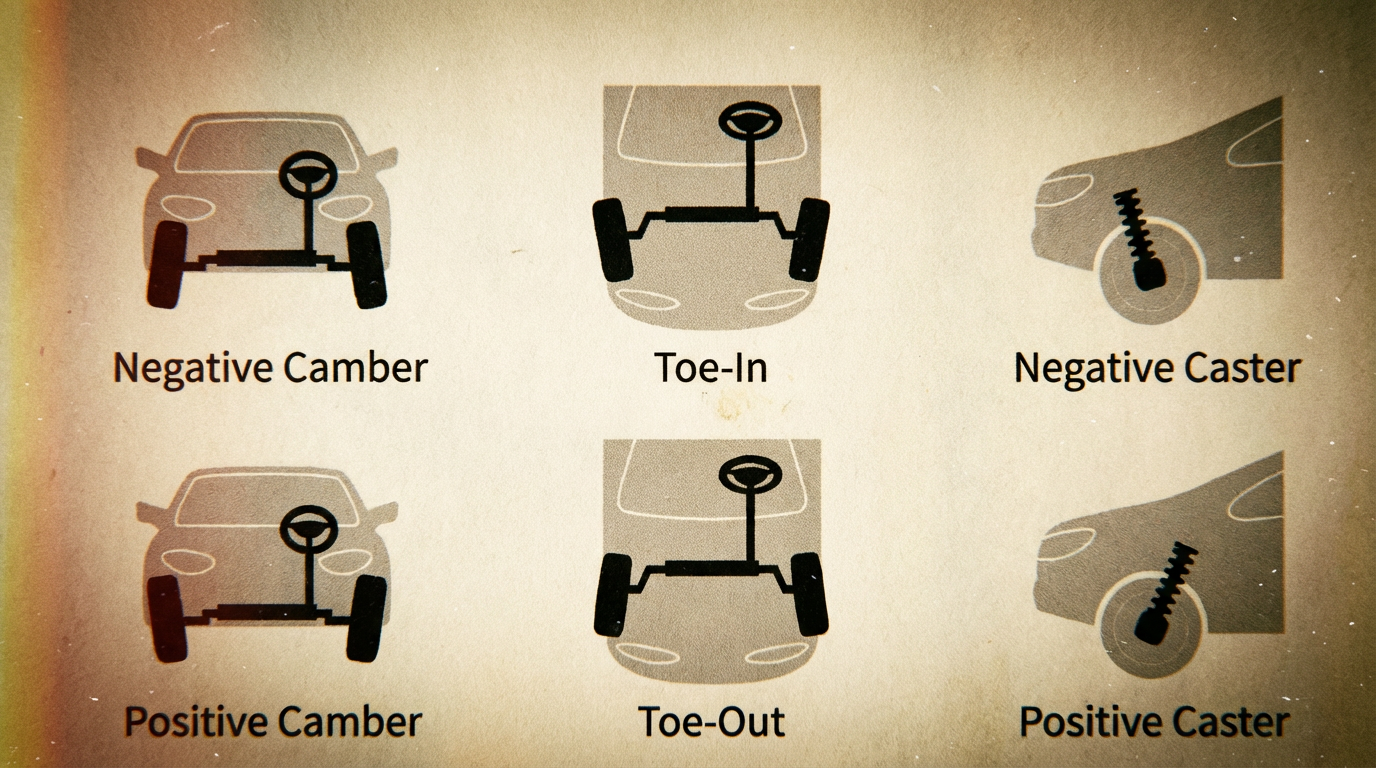
Even careful drivers can experience misalignment. Everyday road hazards such as potholes, curbs, and uneven pavement, can knock alignment out of spec. Suspension wear, new tires, or lowering springs also affect geometry.
Watch for these signs that it’s time to Google “car alignment near me”:
Jarred adds:
“People often blame tires or balance for vibration, but alignment is the silent culprit. If the angles are wrong, it stresses everything—from shocks to bushings.”
Ignoring these warnings can shorten tire life by 30–50% and make the suspension work harder, leading to expensive repairs later.
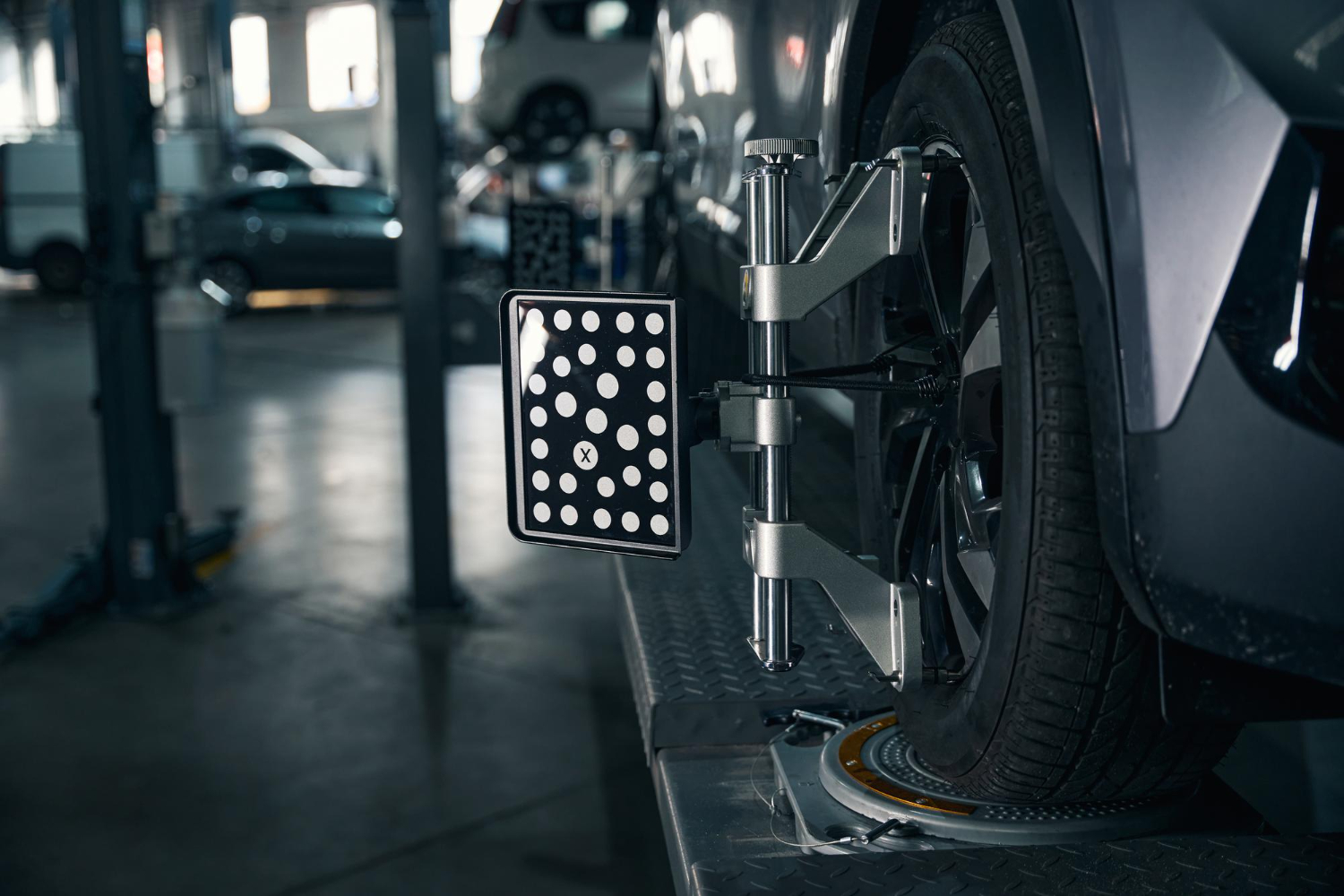
A professional wheel alignment service is performed using precision laser or camera-based equipment. The process typically includes:
“We’re not just guessing by eye,” Jarred says. “We use digital sensors accurate to a fraction of a degree. When everything reads green, that’s factory precision.”
The result is improved handling, quieter driving, and extended tire life—proof that even a small geometric correction can have a big impact on performance.
Turbocharged engines are more common than ever, from entry-level sedans to luxury SUVs. They make small engines powerful, but they also worsen carbon issues.
Turbo engines pressurize the intake, which forces more oil vapor through the PCV system. This oil sticks to intake valves, compounding the carbon problem.
For turbo owners, fuel system service is even more critical. Mason Automotive often recommends shorter intervals (closer to 15,000 miles) to stay ahead of buildup.
Most automakers recommend vehicle alignment every 12 months or 12,000–15,000 miles. It’s especially important after tire replacement, suspension work, or any impact. Climate, road quality, and driving habits all affect how quickly alignment angles drift.
Even drivers who don’t notice pulling can benefit from routine checks—modern suspension tolerances are so tight that small deviations invisible to the eye can still cause measurable tire wear.
Jarred summarizes it best:
“If you wait until the steering wheel is crooked, you’ve already lost money in tire wear. Alignment isn’t about fixing something broken—it’s about keeping everything working the way it was designed.”
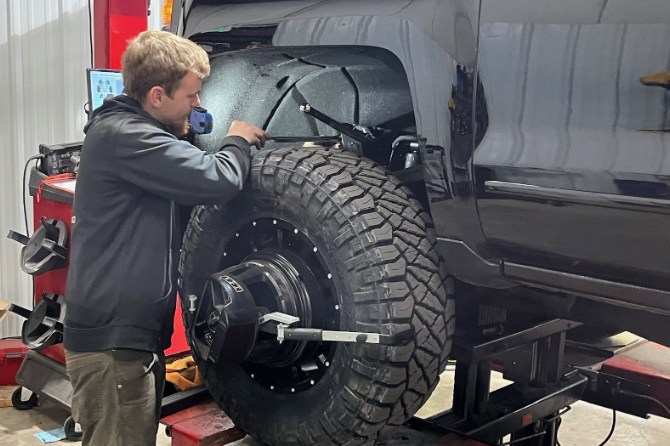
Alignment is often overlooked simply because people don’t know the signs and symptoms of a mis-aligned vehicle. Yet it’s one of the most cost-effective ways to preserve both tires and suspension.
A well-maintained alignment contributes to:
“Think of alignment like keeping your car’s foundation square,” Jarred says. “Everything else depends on it being right.”
Schedule your wheel alignment with Mason Automotive in Bloomington, IN today and get back on the road.