
December 22, 2025
TABLE OF CONTENTS
OUR Auto Repair Shop NEAR YOU
Mason Automotive in Bloomington, IN, offers quality auto repair with a convenient location and exceptional service.
Your tires are the only part of your vehicle that actually touches the road. No matter how powerful the engine or advanced the safety systems, everything depends on a healthy, well-maintained contact patch.
Tire rotation and tire replacement are two of the most important services for protecting that contact patch. Routine tire rotation keeps wear even from front to back, while timely tire replacement restores traction, shortens stopping distances, and keeps your suspension and steering working the way the manufacturer intended.
Despite that, many drivers wait until the tires are visibly bald or the vehicle feels unsafe before they replace the tires. By that point, they’ve usually lost grip in the rain, sacrificed fuel economy, and put extra stress on suspension parts.
Jarred Mason, ASE-certified technician and owner of Mason Automotive in Bloomington, IN, sees it every week:
“People are often shocked when we show them how little tread is left,” Jarred explains. “If you wait until it feels scary on the highway, you waited too long to replace the tires.”
This guide explains when to replace tires, how often to rotate them, what tire pressure sensor replacement is, and how a simple tire service schedule can save you money in the long run.
Every mile you drive slowly wears away tire rubber. The front tires typically carry more steering and braking load, while some vehicles push more power through the rear. Without regular rotation, those different loads cause one end of the vehicle to wear out much faster.
By rotating the tires on a consistent schedule, we spread that wear across all four corners. The result is a smoother ride, better grip, and more predictable handling in wet or icy conditions.
Fresh tires restore the full tread depth your vehicle was designed to have, so features like anti-lock brakes, stability control, and all-wheel-drive can do their jobs. Worn tires simply cannot move water out from under the tread as effectively, which means longer stopping distances and a greater risk of hydroplaning.
In simple terms, routine tire rotation and planned tire replacement work together to keep your vehicle safe, quiet, and efficient—without surprise tire bills

One of the most common questions we hear is, “When should I replace the tires?” The answer depends on tread depth, tire age, and overall condition.
Here are key signs it’s time for tire replacement:
• Tread depth at or below 2/32″ (wear bars are flush with the tread).
• Noticeable loss of traction in the rain or on gravel.
• Cracks, dry rot, or bulges in the sidewall.
• Cupping or uneven wear that rotation can no longer correct.
• Tires older than 6–10 years, even if tread remains.
If you’re wondering when to replace tires but aren’t sure what you’re seeing, a quick inspection from our ASE-certified technicians can give you a clear answer. We’ll measure tread depth, check the manufacturing date, and help you decide whether it’s safe to keep driving or time to replace the tires.
Jarred often reminds drivers: “If you have to ask yourself how often to replace tires, it’s probably time to let a professional take a look. Tires don’t fail on a schedule, they fail when they’re worn past what they were designed to handle.”
Tire rotation is one of the simplest services you can do to extend tire life—and one of the easiest to forget.
Most manufacturers recommend rotating tires every 5,000 to 7,500 miles, or at least every second oil change. For some vehicles that see mostly city driving, towing, or heavy loads, rotating even more frequently can be a smart move.
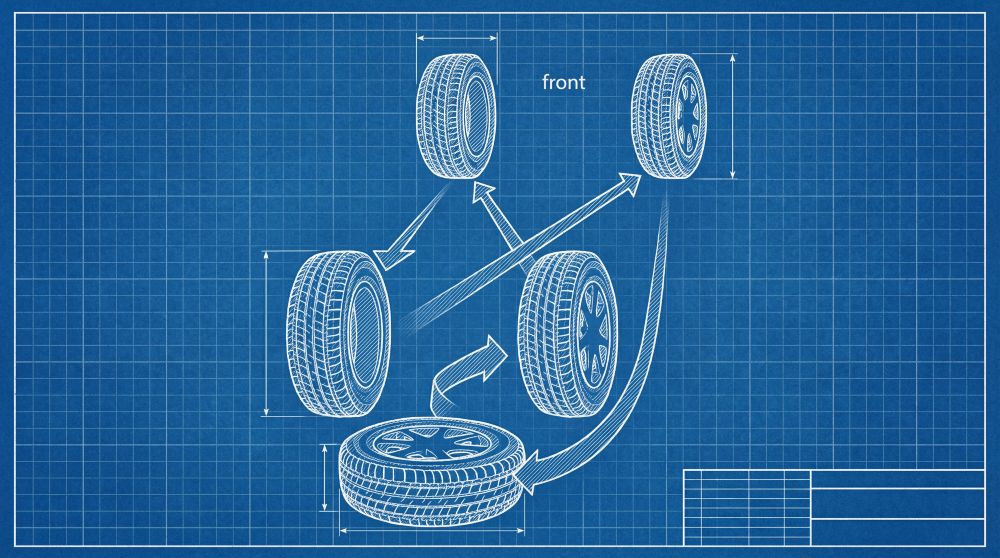
During a rotation, we move each tire to a different position on the vehicle, following a pattern that depends on whether your vehicle is front-wheel drive, rear-wheel drive, all-wheel drive, or has staggered tire sizes. This evens out wear patterns so you don’t end up replacing two tires early while the other two still have plenty of life.
Following a consistent rotation schedule makes it easier to predict how often to replace tires overall. Instead of guessing, you can plan tire replacement around mileage and inspections, keeping your budget and safety on track.
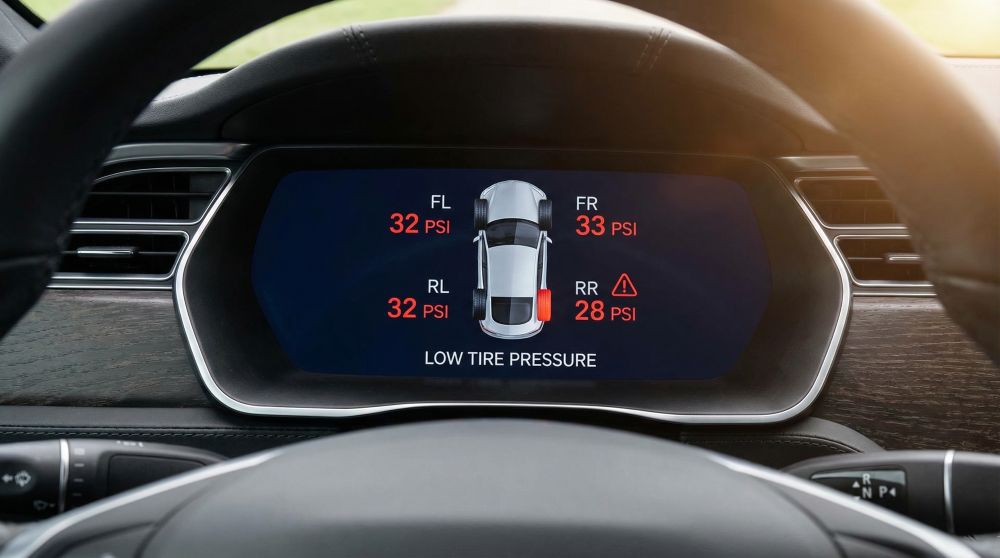
Modern vehicles use Tire Pressure Monitoring Systems (TPMS) to alert you when tire pressure drops too low. Each wheel typically has a sensor mounted inside the tire that measures pressure and sends data to your vehicle’s computer.
Over time, these sensors can fail due to battery age, corrosion, or damage during tire changes. When that happens, you may see a TPMS warning light that stays on even after pressure is corrected. That’s when tire pressure sensor replacement becomes necessary.
At Mason Automotive, we can diagnose whether the problem is simply low pressure, a damaged valve stem, or a failing sensor. If a sensor has failed, we’ll replace it, program it to your vehicle, and verify that the system is accurately monitoring your tires again.
Tire pressure sensor replacement is often easiest to handle at the same time as tire replacement, since the tires are already off the wheels. That way, you restore both proper tread depth and dependable pressure monitoring in a single visit.
Turbocharged engines are more common than ever, from entry-level sedans to luxury SUVs. They make small engines powerful, but they also worsen carbon issues.
Turbo engines pressurize the intake, which forces more oil vapor through the PCV system. This oil sticks to intake valves, compounding the carbon problem.
For turbo owners, fuel system service is even more critical. Mason Automotive often recommends shorter intervals (closer to 15,000 miles) to stay ahead of buildup.
A professional tire service at Mason Automotive is more than just swapping rubber. We follow a step-by-step process to make sure your vehicle leaves safer than it arrived:
1. Visual inspection: We examine all four tires for tread wear, age, cracking, and damage.
2. Tread measurement: We measure tread depth in multiple spots to spot uneven wear.
3. Tire pressure check: We set pressures to factory specifications and check TPMS status.
4. Rotation or replacement: Depending on tire condition, we either rotate the tires or recommend tire replacement.
5. Balancing: When we replace the tires, we balance each wheel to prevent vibration at highway speeds.
6. Final safety check: We torque lug nuts to spec and verify there are no warning lights on the dash.
You leave with a clear understanding of your tires’ condition, how often to replace tires based on your driving, and when to plan your next rotation.
Skipping tire rotations or waiting too long for tire replacement can seem like an easy way to save money—until the bills come due.
Uneven wear can shorten the life of a set of tires by tens of thousands of miles. A set that should have lasted 60,000 miles might need to be replaced at 30,000 if rotations are missed. Worn tires can also reduce fuel economy and cause vibrations that accelerate wear on shocks, struts, and steering components.
On the other hand, following a simple schedule for tire rotation and timely tire replacement spreads the cost out in a predictable way. You avoid emergency purchases, maximize the mileage out of every set, and protect the rest of your suspension.
Jarred puts it this way: “Using your tires all the way down to the cords isn’t saving money—it’s borrowing luck. Regular tire service is one of the best returns on investment you can get from vehicle maintenance.”
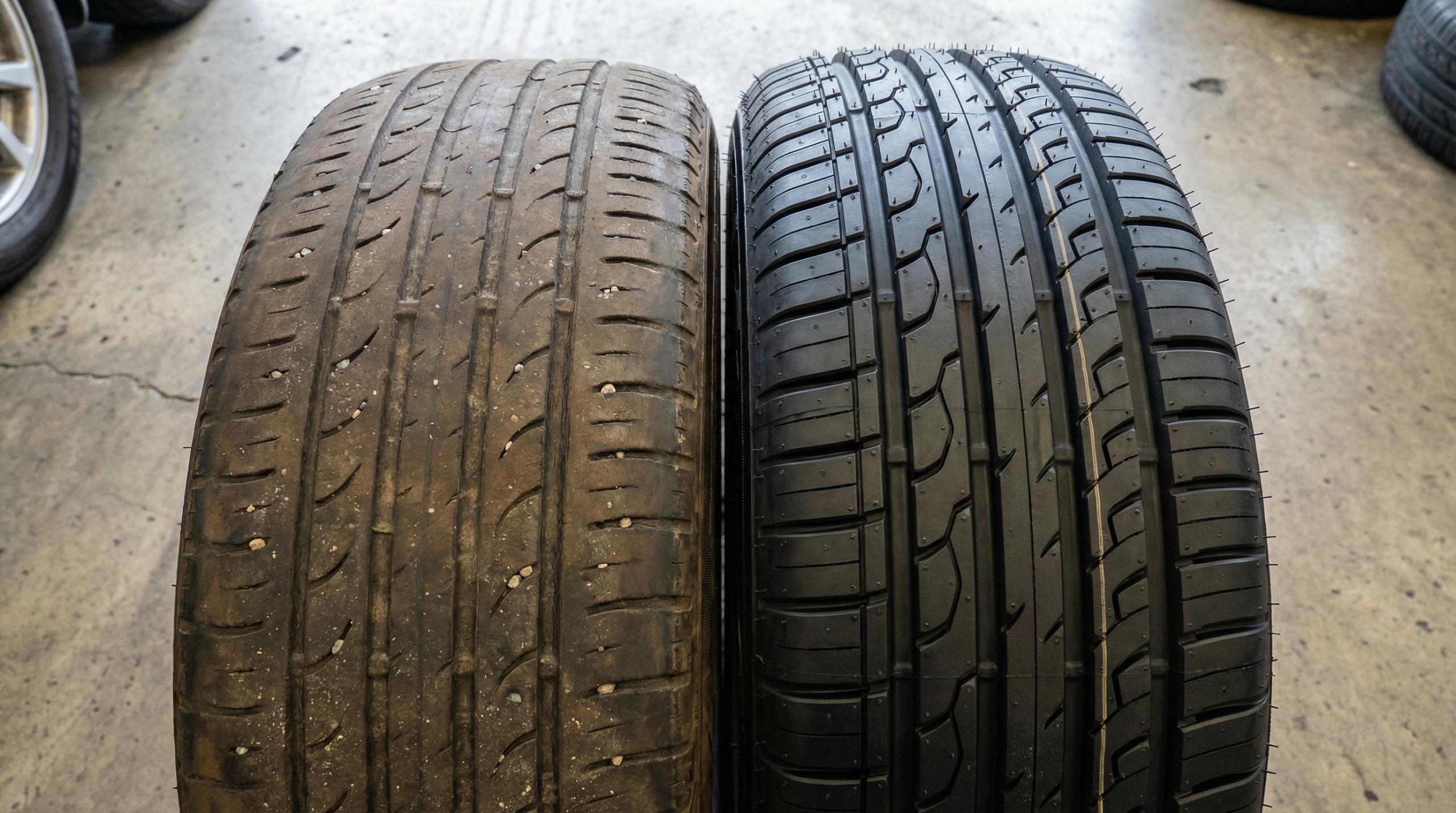
Tire service is easy to overlook because most wear happens slowly. There’s no warning chime when tread depth reaches a dangerous level, and many drivers learn about worn tires only when they fail an inspection or experience a close call in the rain.
Building tire rotation and replacement into your regular maintenance schedule changes that. Instead of reacting to problems, you stay ahead of them.
Proactive tire maintenance delivers:
• Longer tire life and fewer surprise replacements.
• Safer braking and better control in wet or slick conditions.
• Improved ride comfort and reduced road noise.
• Less strain on suspension and steering components.
Think of tire replacement and rotation as protecting your entire vehicle, not just the rubber. When your tires are healthy, every system from ABS to traction control can do its job properly.
Schedule your next tire rotation or tire replacement with Mason Automotive in Bloomington, IN today and keep your vehicle ready for whatever the road brings.